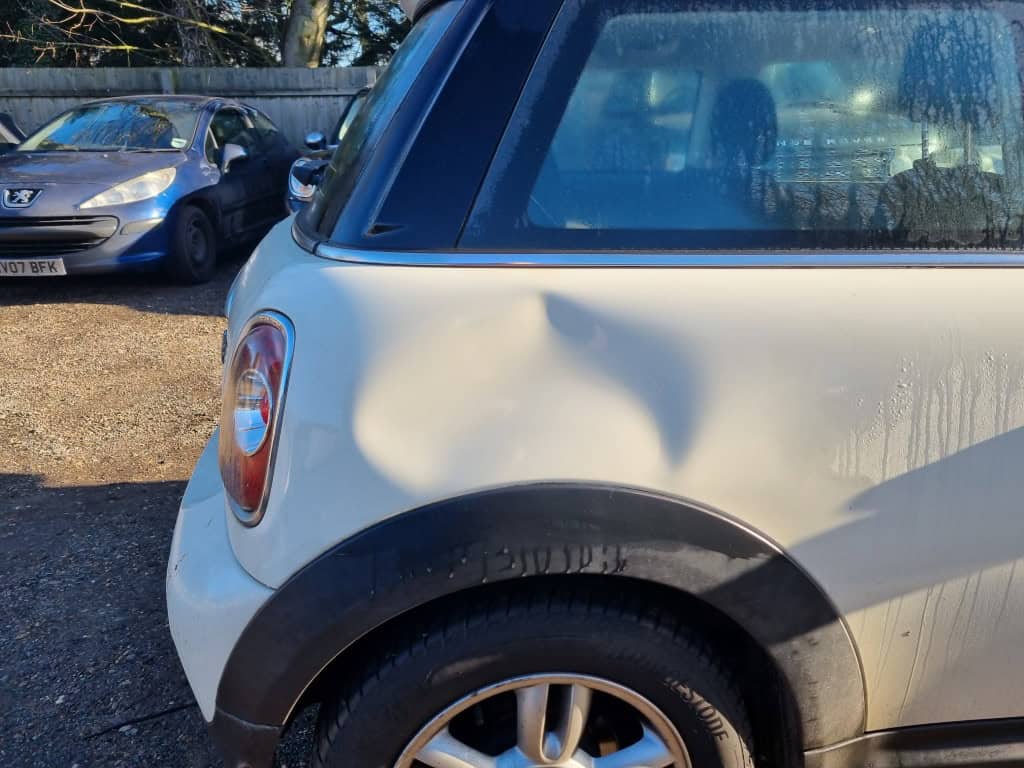
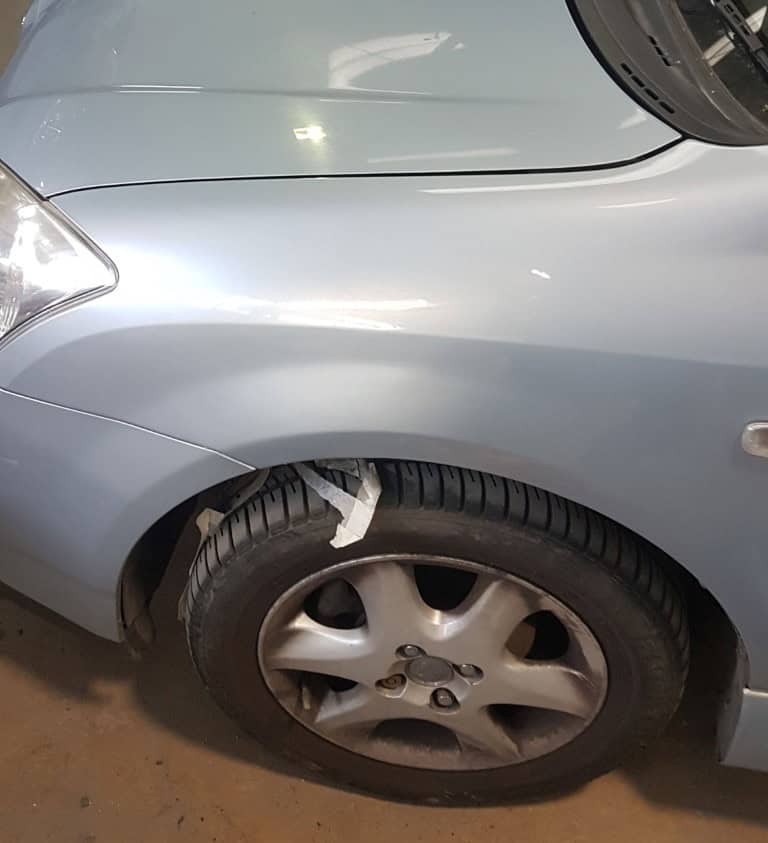
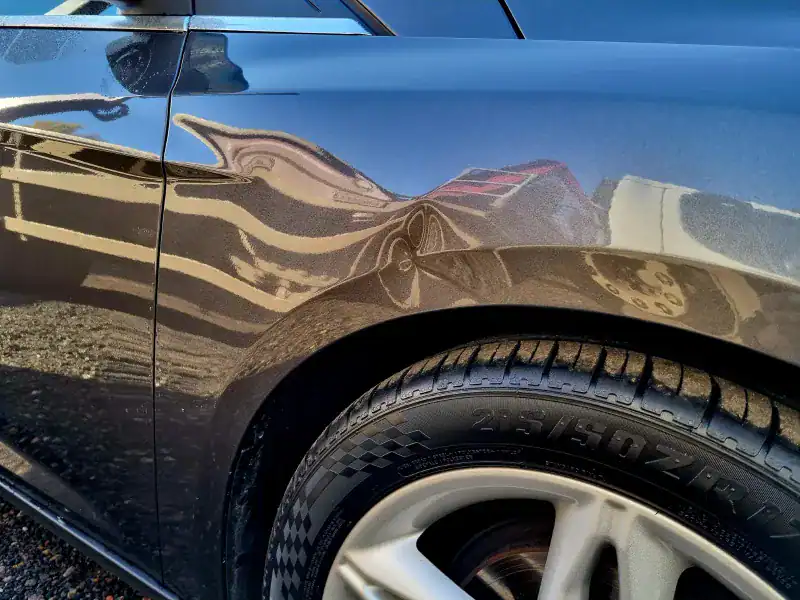
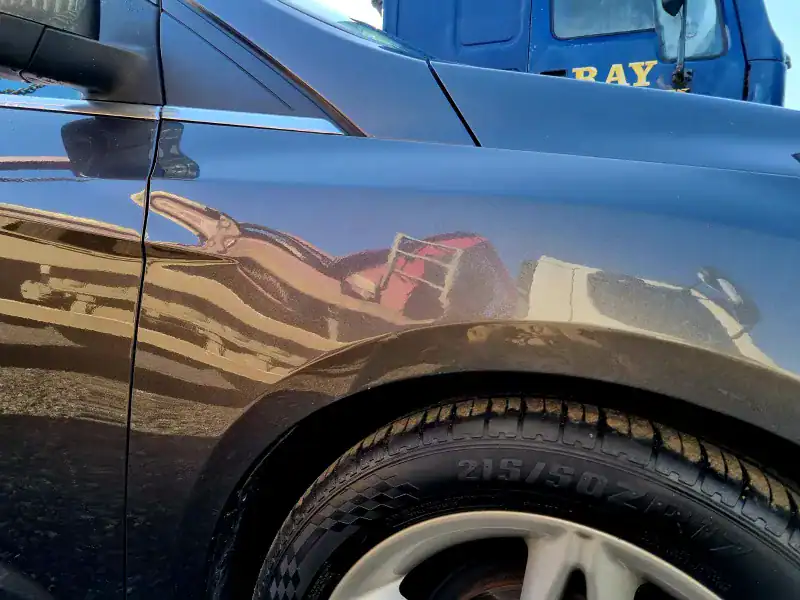
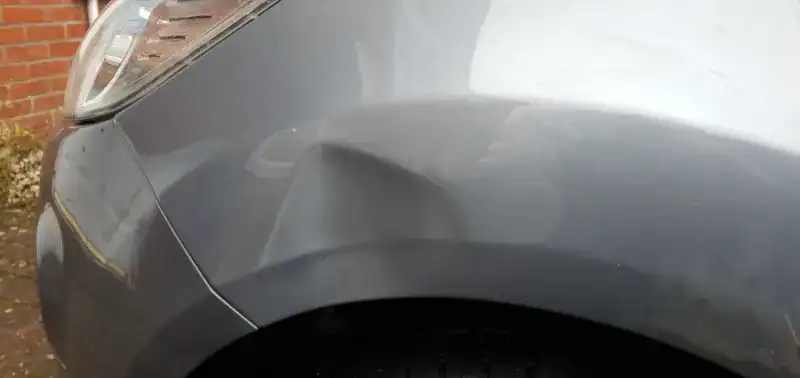
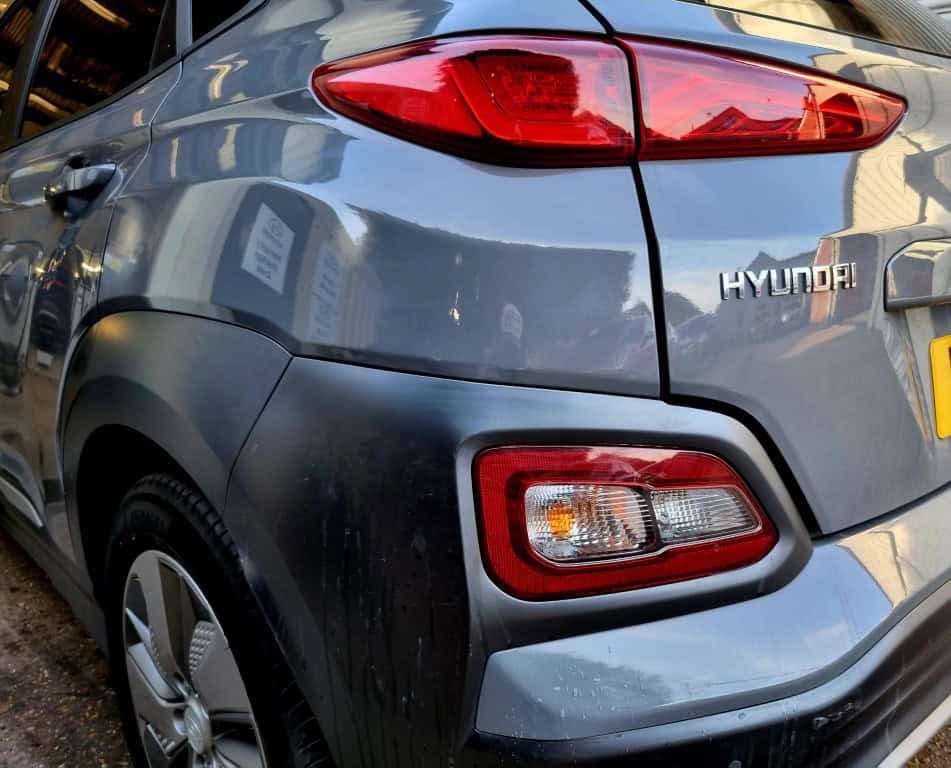
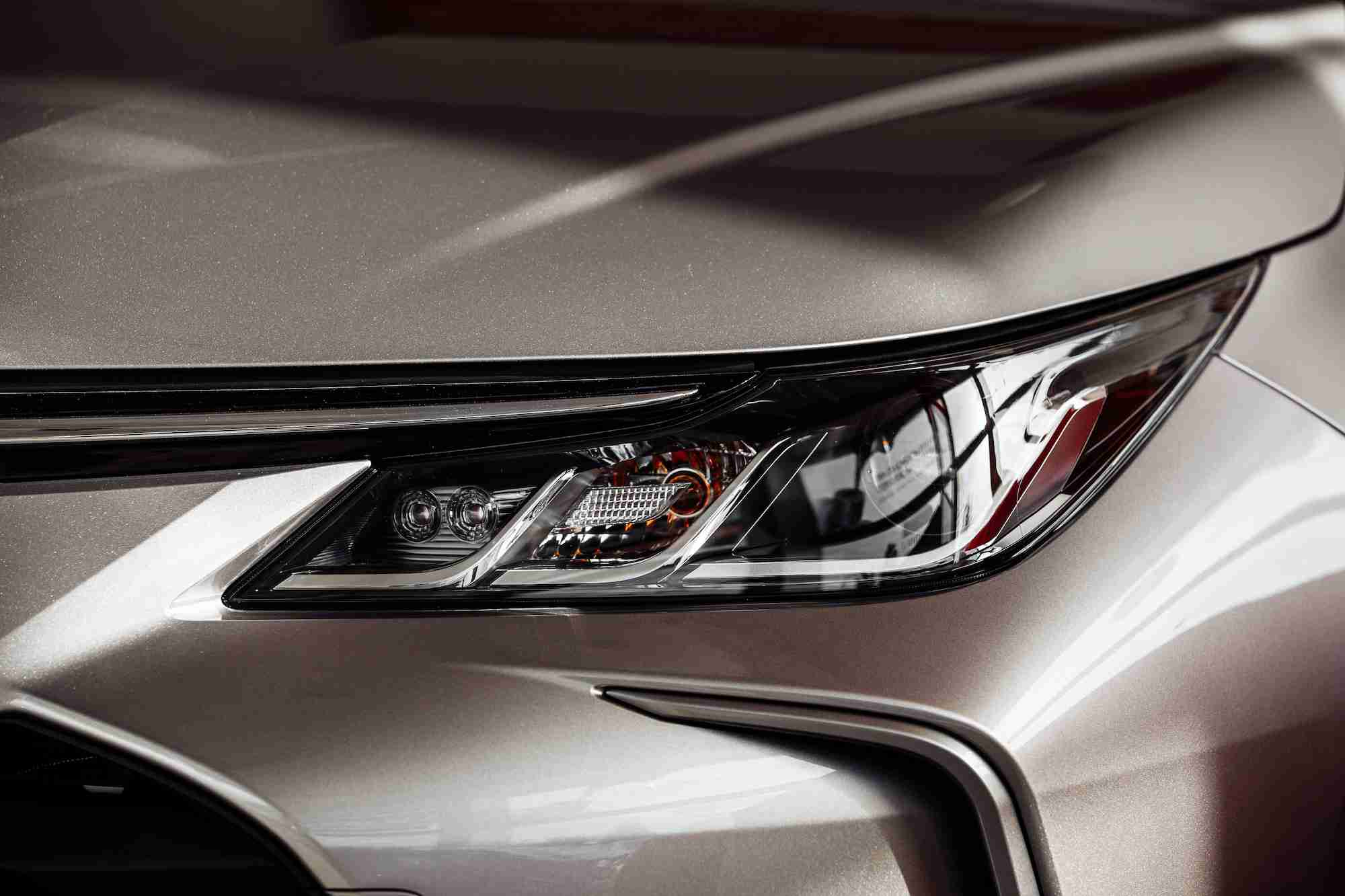
Does your vehicle have any dents and creases? We specialise in paintless dent removal, working on all types of vehicles. We remove them by using special techniques avoiding the need for traditional body repair and painting
Cost-effective
With paintless dent removal, dents and creases are repaired using specialised techniques saving the need for expensive materials. Repair time is also much shorter than standard body repairs which can ultimately save you money!
Time Saving
Most paintless dent removal can be completed in less than an hour. You could drop your car off at a pre-arranged time and have it repaired quickly and efficiently. Our central location means we are close to shops, cafés and transport links.
keep it original
Maintaining original paint work is important to preserve your car’s appearance and value. Keep your factory finish and preserve your manufacturers’ warranty.
ECO FRIENDLY
Paintless dent removal doesn’t involve the use of any of the harmful chemicals or materials that are used in spraying making it a more environmentally friendly option.
masssage not hammer
MORE ABOUT PAINTLESS DENT REMOVAL
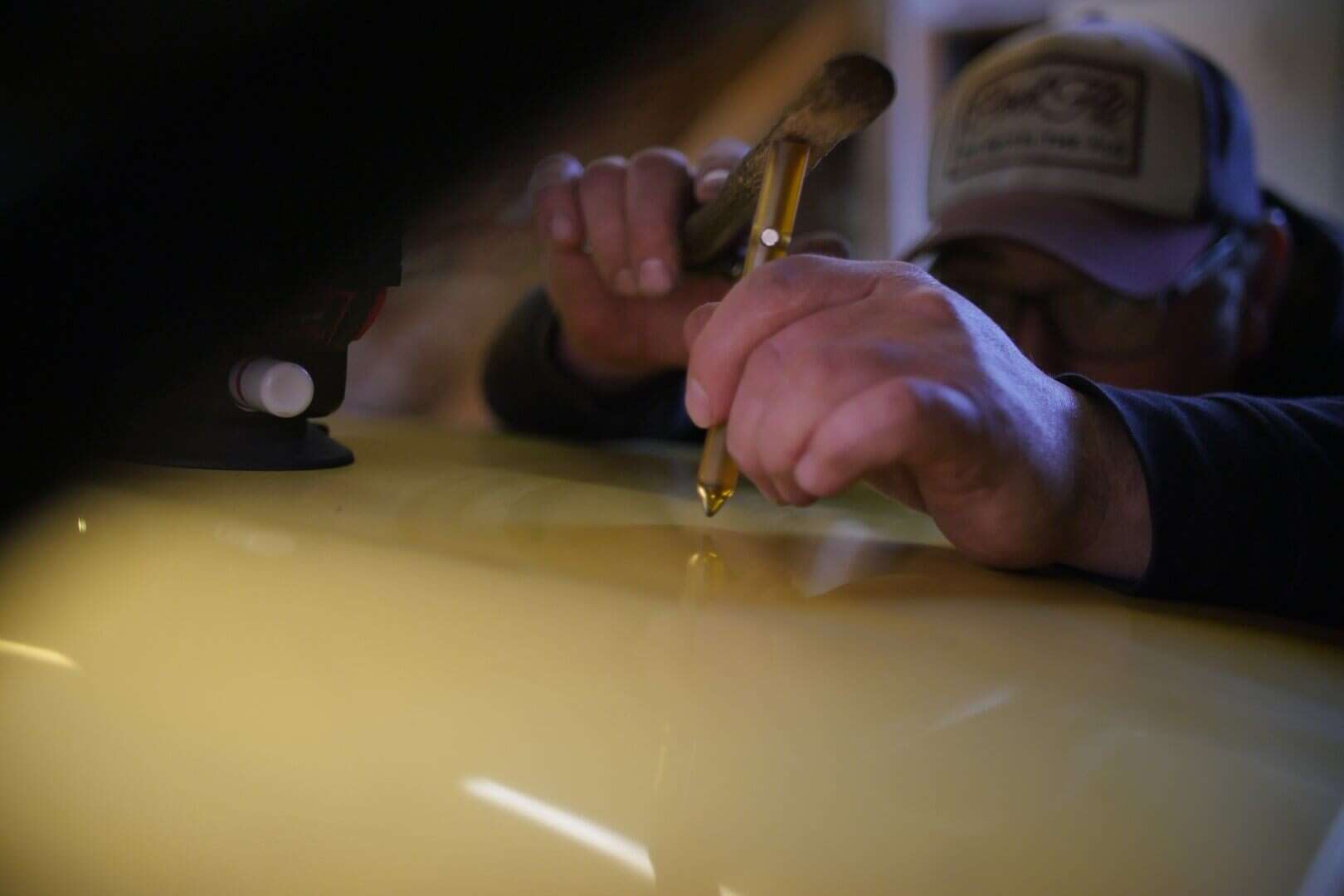
Every dent and crease has its own unique code that has to be unpicked by the dent technician. It starts with cleaning and inspecting the panel and where necessary, stripping body parts to gain access to perform the repair. Sometimes, access can be through the tightest of spaces! Specialist tools are then used, massaging the damaged area to help reposition the metal. Tap down tools can then be used to help blend down any high spots. Sometimes the tap down tools are used earlier in the repair to help reduce ‘smiles’ and ‘crowns’ to relax the tension on the panel. This can help make the dent easier to work on.
Light is key
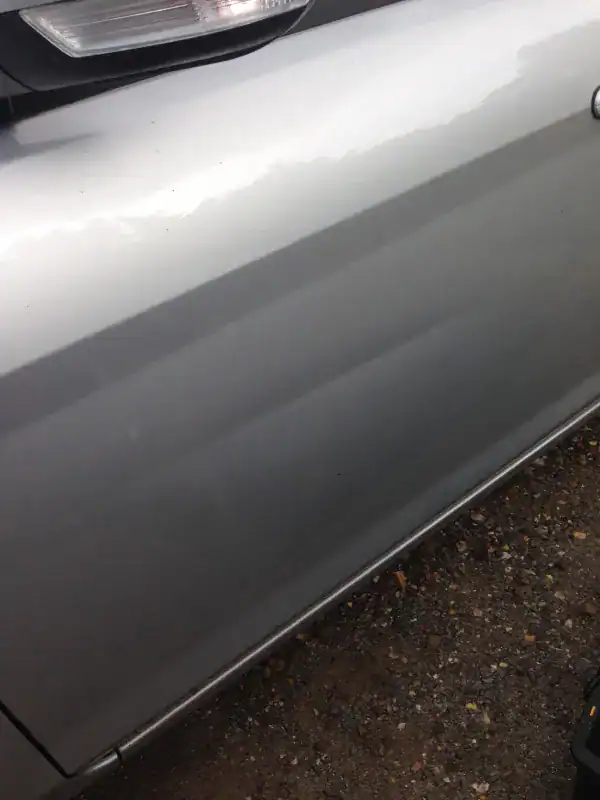
Lighting is the most important part of any dent repair as the technician uses reflection to highlight any distortion in the panel. A specialised lightboard can be used, which usually has stipes and faded lines on it, which helps to throw shadows onto the damaged area, enabling the technician to position the tool. Lightboards usually have a flexible arm that allows the board to be moved around into the desired position. There are other lights on large metal trollies that can be positioned at greater distances, which help for more detailed work such as hail repair or glassing. Read more about hail repair here.
getting that perfect finish
Glassing is a term that is used where the desired finish is like glass. This is next level dent repair that is usually reserved for surviving classic cars, working on potentially hundreds of tiny imperfections in the paintwork or on restored and pre-painted cars to lessen the use of body fillers.
Using glue, is another technique which can be utilised to remove dents. The benefit of using glue is that it can be applied to areas where it is difficult to get behind the damage. It can also be used to help lift larger areas at once. Hot glue is applied to a special tab which can then be stuck to the panel. The tab then links into a slide hammer or dent puller. The technician can then apply pressure to pull the dent to the desired position. Tap down tools are then used to reposition and blend the high areas until the job is complete. An alcohol-based cleaner is used to remove any residue left behind by the glue.
a fine art
Temperature plays a crucial role in paintless dent removal. Through experience, working in cold temperatures can make repairing panels difficult and gives rise to the risk of damaging or cracking the paint. As we are able to offer our services from the safety of a workshop, this helps to massively reduce this risk. Heat guns can be used to make a dent more malleable and helps to soften the paint. This is a must when working on classic cars or on a cold panel.
Finally, where the paint has been damaged or cracked and paintless dent removal can’t be performed, we can provide a ‘push for paint’ dent removalservice. Read more about this service here.
We would love to hear from you. If you wish to talk to us about paintless dent removal then please head to our contact page here. Alternatively, if you would like to get a quote for our paintless dent removal services then you can access our easy quote form here.
We have never had a problem with original paintwork. If the paintwork is not original we would use other techniques and avoid using glue as we cannot guarantee the quality of the earlier repair and we would not want to risk damaging the paint.
No. The tap down tools we use are made from nylon and are polished so these do not cause damage to the paintwork. We also use interchangeable tips of varying shapes and sizes, but these are also designed to not cause any damage to the paint.
No. The face of the hammers that we use are polished and are therefore very smooth. They are used carefully and have never caused damage to any paintwork.
No, the dent will not come back. During the repair, the damaged area is massaged back into its original position. This is only possible if the metal has not been stretched too far, Therefore, once it is repaired, it is as good as new.
WHAT DENT?
Before and after
Paintless dent removal is an efficient and cost-effective way to repair dents and creases on a vehicle’s bodywork. It will provide high-quality results in less time than traditional body shop repair methods.